What happens during a child ADHD screening?
The child pathway is completed by a parent or legal guardian for a child aged 6 to 17. School information can strengthen the picture but is optional.
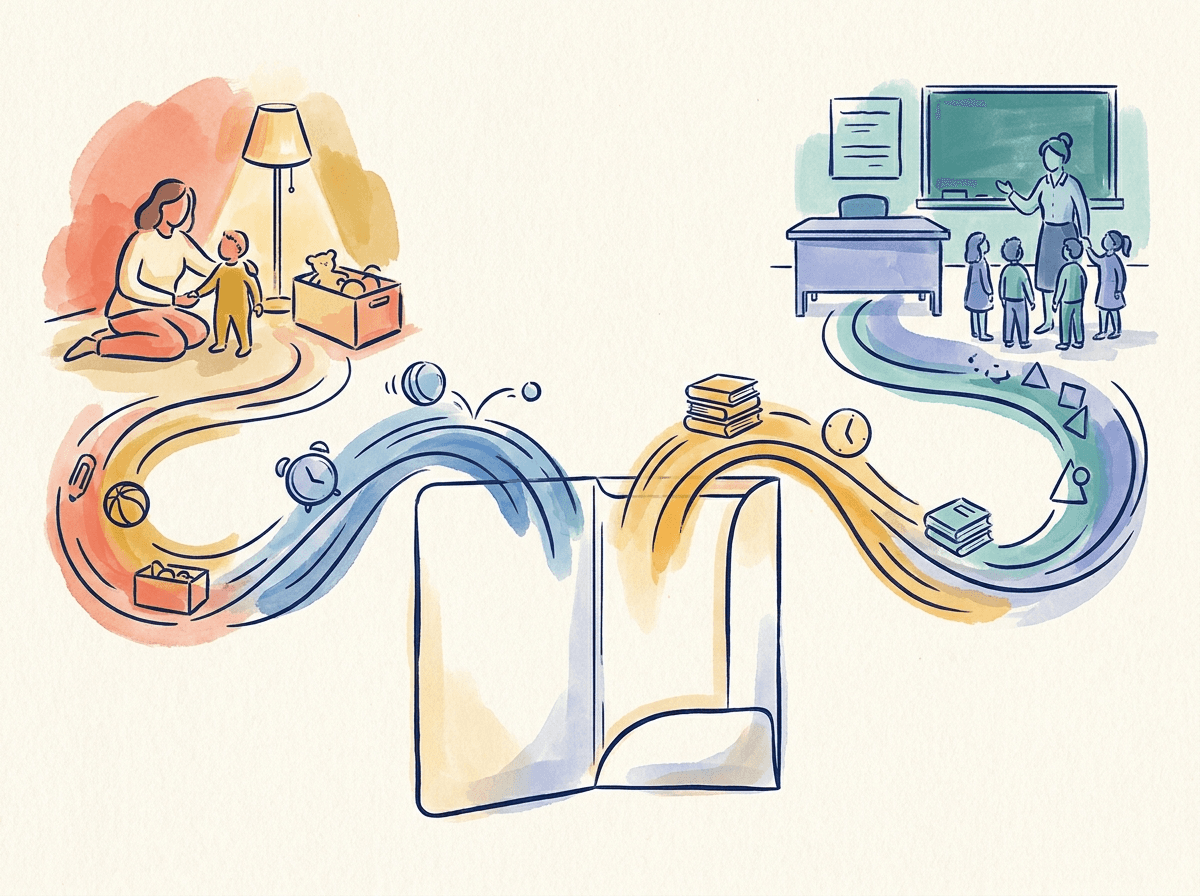
The short answer
A parent or legal guardian completes the child screening, including structured history and age-appropriate questionnaires. A teacher or education professional can provide separate optional context. The report keeps parent and school evidence clearly labelled, and a clinician reviews it before release. It is not a diagnosis.
Who completes the screening
The released child pathway is for ages 6 to 17 and is led by a parent or legal guardian. The service does not ask the child to complete a direct self-report scale in v1.
The parent confirms their relationship to the child and provides the required consent. If parental responsibility is disputed, the case is paused for review rather than released automatically.
Which questionnaires are used
The exact battery depends on age. It can include:
- NeuroFX executive-function questions, described as non-normed
- the SNAP-IV parent questionnaire
- an optional teacher SNAP-IV questionnaire
- the Vanderbilt parent questionnaire for ages 6 to 12
- an optional Vanderbilt teacher questionnaire for ages 6 to 12
- a separate education-setting context form
The service applies age gates before assigning a questionnaire. A form that is outside its configured age range should not appear.
Why home and school are kept separate
ADHD assessment considers whether difficulties occur across important settings. A child's experience can still look different at home and school because the demands, support and structure are different.
ADHDassess does not merge parent and teacher answers into one invented score. The report labels each source and describes disagreement as part of the evidence. Missing teacher input is recorded as a limitation, but it does not prevent completion.
What happens after submission
Configured tools are scored on the server. A draft report brings the results and context together, then a clinician reviews it before release. The report may support a conversation with a GP, school or assessment provider, but each organisation decides what evidence it requires.
Sources
- NICE guideline NG87: diagnosis and information from different settings
- NHS Bedfordshire and Luton: neurodevelopmental assessment process
How this resource is maintained
This page is reviewed and maintained by Neuro FX Ltd. Its next scheduled review date is 14 February 2027.
Services and referral rules can change. Follow the linked NHS or provider page before acting on local pathway information.
Put your questions into a useful account
Work through the screening at your own pace. Your optional Passport can help you prepare for the next appointment or support discussion.