Understand your options and prepare for the next step
Find practical guides to screening, assessment pathways and support. Use them to prepare questions for your GP, understand the evidence a school or university may need, or decide where to begin.

 Screening basics
What can an ADHD screening tell you?
ADHD screening can show whether your experiences fit a pattern worth exploring, but it cannot diagnose or rule out ADHD.
 Local pathways
ADHD screening and assessment routes in Bedfordshire
A source-checked guide to adult and child ADHD referral routes, local waiting information and private self-referral in Bedfordshire.
 Local pathways
ADHD screening and assessment routes in Luton
A source-checked guide to child and adult ADHD referral routes, waiting information and assessment choices for people in Luton.
 Local pathways
ADHD screening and assessment routes in Milton Keynes
A source-checked guide to Milton Keynes child referral evidence, adult choices, waiting information and private assessment routes.
 Screening basics
ADHD screening vs a full assessment: what is the difference?
Screening identifies a pattern worth exploring. A full ADHD assessment is a specialist clinical process that can reach a diagnosis.
 Screening basics
How ADHD screening questionnaires are scored
Learn how ADHDassess checks answers, applies fixed questionnaire rules and keeps raw scores separate from clinical interpretation.
 Next steps
How to prepare for a full ADHD assessment
Prepare examples, history, records and informant details so the assessment can focus on the complete clinical picture.
 Next steps
How to use an ADHD screening report with your GP
Use your report to explain the pattern, its impact and the outcome you want from a GP appointment without treating screening as diagnosis.
 Next steps
Right to Choose for ADHD assessment in England
Right to Choose may let an eligible patient ask a GP to refer to a qualifying NHS ADHD provider in England. It is not self-referral.
 Understanding your result
What a borderline or mixed ADHD screening result means
Mixed screening results are common because tools, respondents and settings measure different parts of the picture.
 Child screening
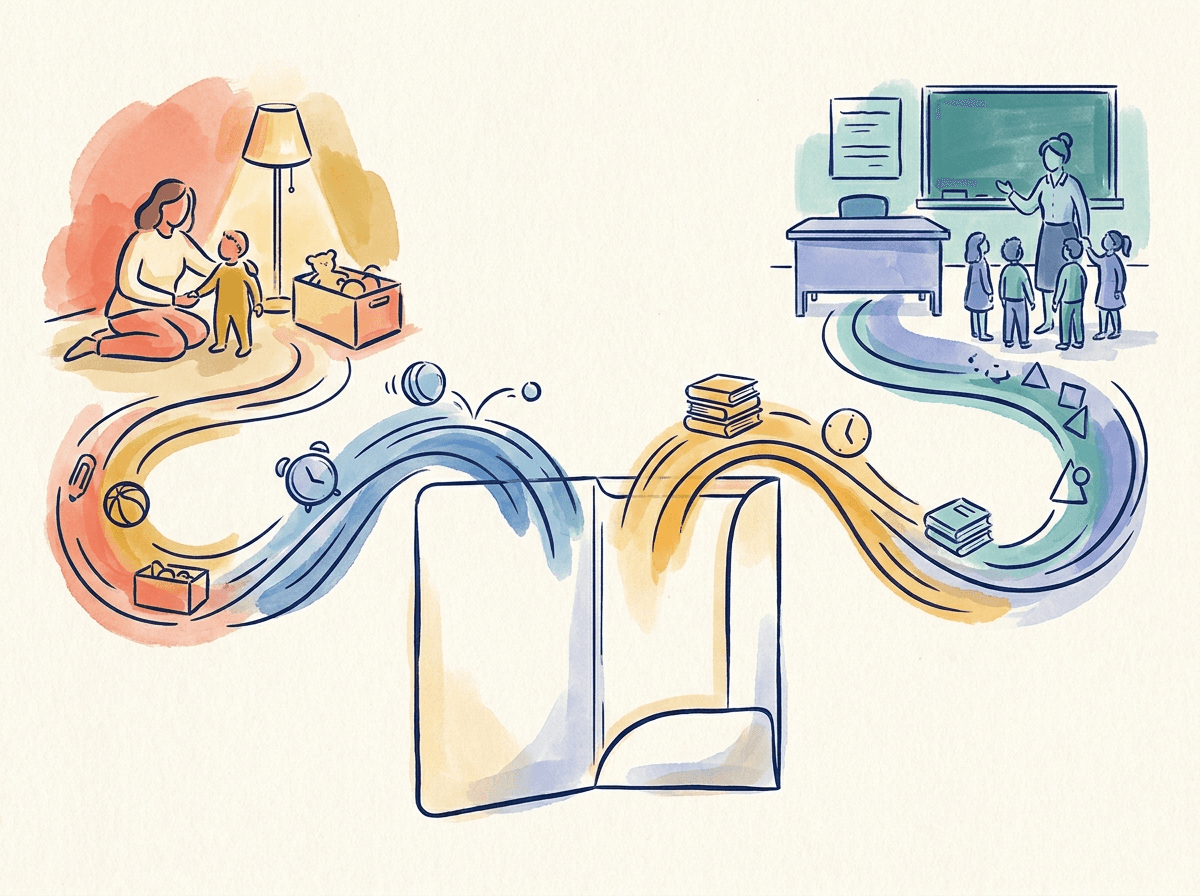
What happens during a child ADHD screening?
A practical guide to the parent-led ADHDassess child pathway, optional school input, scoring and clinician-reviewed report.
 Adult screening
What happens during an adult ADHD screening?
A practical guide to the adult ADHDassess screening journey, from checkout and questionnaires to clinician review and report release.
 Understanding your result
What is included in an ADHDassess report?
See how an ADHDassess report presents questionnaire findings, context, limitations and next steps after clinician review.
 Next steps
What to do after a positive ADHD screening result
A result above a screening threshold is a reason to consider the wider evidence and choose a next step, not confirmation of ADHD.
 Understanding your result
When an ADHD screening does not suggest ADHD
A below-threshold result lowers the support from that questionnaire, but it does not prove that ADHD or another difficulty is absent.
 Screening basics
Why informant input matters in ADHD screening
Input from a partner, relative or teacher can add evidence from another setting, but it is not a vote on whether someone has ADHD.
Put the information to use
What it includes, who you can share it with and how it can help.
Explore the Passport →Prepare for a GP appointmentBring examples and questions that make the conversation more useful.
Plan your conversation →Talk to your child's schoolUse home and school perspectives to discuss practical support.
Prepare for a school meeting →See what is planned nextOptional updates, repeat screening and a record you can build on.
Read the future service plans →Ready to organise your own information?
Complete your screening at your own pace. You can decide whether to buy your £99 Passport when you finish.